
What Is a Coffee Enema and How to Use It for Liver Support
A coffee enema for liver support: how it works, who it is for, who should avoid it, and the body-first frame that holds it honestly. From a coach who uses one.
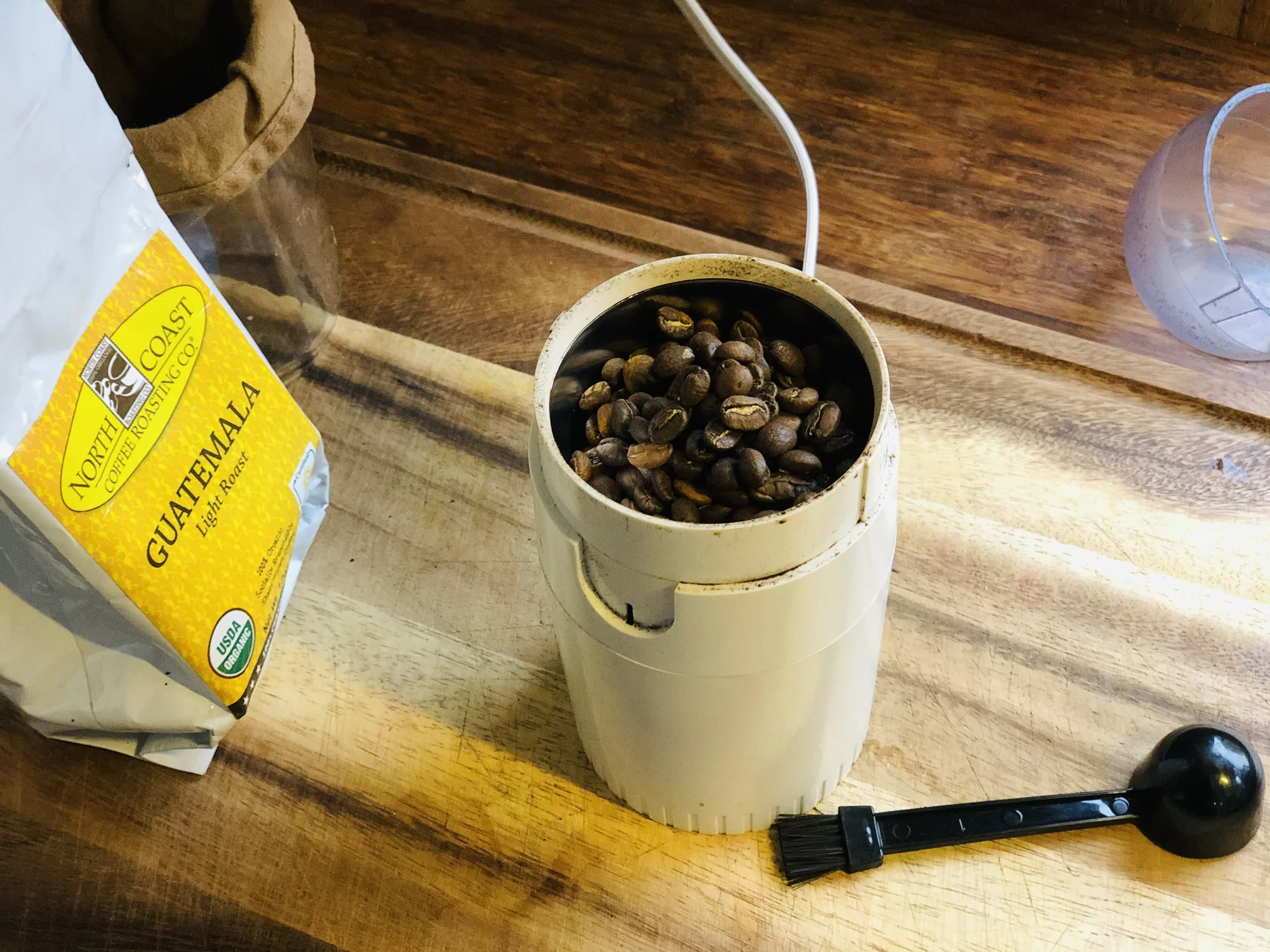
In my twenties I worked at a raw food detox center, and that was where I first met the coffee enema. It was a standard part of how the center supported the body through a cleanse, and my job included serving them, sitting with people through the process, and seeing what happened on the other side. The picture I remember most clearly is the migraines. People walked in with debilitating headaches that had not lifted for days, and I watched coffee enemas melt those headaches inside an hour. I had not seen anything in conventional medicine do that. I started doing them on myself in that period and have used them on and off in the years since, mostly during heavier detox stretches or when I have eaten something my body does not tolerate well and I can feel it in my brain. They are not a daily practice for me. They are a tool I reach for at specific moments, and they have earned their place in my toolbox.
My body responds to a coffee enema with a kind of long, steady clarity that I do not get from caffeine taken by mouth. The high is gentler. The crash does not arrive. The brain fog that lifts has been one of the most reliable returns. That has been true across two decades of intermittent use, and it tracks with what I have heard from clients and friends who have built the practice into their own care.
This is alternative medicine territory, and I want to be clear about that from the start. Coffee enemas sit outside the standard medical playbook. The scientific evidence is limited, mostly case reports and small studies rather than the kind of randomized controlled trials that anchor conventional treatment. The systematic review of self-administered coffee enema case reports published in Medicine in 2020 found documented benefits in some cases and documented adverse effects in others, and concluded that the practice deserves caution and clinician involvement, not casual home use. There are real risks. There are contraindications that matter. There are populations who should not do this at all. I will name them here honestly, the way I want my own clients to hear them, because the point is not to evangelize a practice. The point is to give you the full picture so you can make a real choice.
“The first big step is awareness.” — Zen Odyssey: The Adventure of Awareness
This post will walk through what a coffee enema actually is, how the practice supports the liver, how to do one safely, the benefits people report and the risks the medical community has documented, who should not do this, and the body-first frame that holds the practice honestly inside a larger conversation about a healthy relationship with food and your body.
Medical disclaimer: This article is educational and reflects personal and client experience — it is not medical advice, diagnosis, or treatment. Coffee enemas are an alternative practice with real contraindications and risks, detailed below. Please talk with a qualified healthcare provider before trying one, especially if you have any health condition or take medication. See our full disclaimer.
What a Coffee Enema Actually Is
A coffee enema is a procedure in which brewed, cooled coffee is introduced into the rectum and large intestine through a soft tube, held for fifteen to twenty minutes, and then released. The coffee solution does not stay in your colon for long; what matters is what happens during those minutes of retention. The vessels in the lower part of the descending colon and rectum carry compounds from the coffee toward the liver via the hemorrhoidal and mesenteric veins. The liver is asked to do a piece of its detox work in a more concentrated way than it would on an average day.
The practice has its modern roots in the 1930s, when the German-American doctor Max Gerson built it into the Gerson Therapy, his protocol for cancer and chronic diseases that combined an organic plant-based diet, raw juices, and regular coffee enemas. The Gerson Institute still teaches the protocol today, and Gerson-certified practitioners use coffee enemas as a core component of the broader therapy. Coffee enemas did not start with Dr. Gerson, though. They appear in case reports and medical articles dating back to the late 1800s, when they were used in post-operative care and noted in the Pacific Medical and Surgical Journal as a treatment for poisoning. The history is longer than the modern wellness conversation often acknowledges.
Most people today encounter coffee enemas through alternative medicine circles, social media, or a search bar query at the end of a hard week. The practice has become more visible as detox conversations have moved into the mainstream, and as the search terms around colon cleansing have grown. That visibility has not been matched by clinical research at the same scale, which is part of why the medical community is divided about the practice. Some clinicians see it as a useful adjunctive tool for specific situations under supervision. Others see it as unnecessary and risky. Both positions have evidence behind them, and your own choice about whether to use a coffee enema deserves to be informed by both.
How a Coffee Enema Works in the Body
The mechanism most often named in the alternative medicine literature is twofold. First, compounds in the coffee — caffeine, theobromine, theophylline, and palmitic acid — are absorbed by the veins in the lower colon and routed to the liver, where they appear to dilate the bile duct, relax smooth muscles, and increase the flow of bile. Bile is the liver’s main vehicle for moving fat-soluble waste and toxins out of the body, so increased bile production is the proposed pathway for the detoxifying effect. The bile salts that carry waste downstream get an extra push out of the liver and into the digestive tract for elimination.
The second proposed mechanism is the production of glutathione, an enzyme the liver uses to neutralize free radicals and bind toxins. Some research has suggested that compounds in coffee may upregulate glutathione S-transferase activity in the liver, supporting the body’s own detoxification work rather than replacing it. The animal-model evidence here is real, even if the clinical human-trial evidence is thin. The reasoning is what gives the practice its name as a liver-support tool, and it is what Gerson-certified practitioners point to when they describe how coffee enemas fit inside a broader cleansing protocol.
What a coffee enema is not is a body-cleanse on its own. The colon is not a sewer that needs rinsing; your large intestine, gut microbiome, immune system, and digestive system are quite capable of moving waste out without intervention much of the time. What a coffee enema can do is give the liver an assist during a stretch when the body is moving a higher-than-usual load: a structured cleanse, a heavy detox period, exposure to a food intolerance or environmental toxin, the recovery phase after a hard event. It is a focused tool for a focused moment, not a daily rhythm for general health.
How to Do a Coffee Enema
If you decide to try this, here is the protocol I use and the protocol I have served at the detox center.
What you need:
- An enema bag or stainless steel bucket with tubing and a soft, lubricated rectal tip — a simple reusable enema kit works well, or you can find one at a pharmacy
- Organic coffee — light to medium roasts work best (dark roasts have the most potent compounds roasted out); the one I use is an organic coffee roasted specifically for enemas
- Distilled water or filtered water (no chlorine, no fluoride, no tap water)
- A small jar of coconut oil for lubrication
- A few clean towels for the bathroom floor
The brew:
- Use two to three tablespoons of organic ground coffee per liter of water. Light or medium roasts are well tolerated by most people; if you are new to this practice, start with a medium roast.
- Simmer the water and coffee grounds on the stove for ten to fifteen minutes in a glass or stainless steel pot. Avoid aluminum.
- Strain the coffee grounds out thoroughly. Any grounds that make it through can irritate the colon.
- Add cool distilled water to the coffee solution to bring it down to body temperature. Test it on the inside of your wrist the way you would test a baby’s bottle; it should feel neutral, not warm and not cold. Too-hot coffee can cause rectal burns; this matters.
The procedure:
- Make sure your bowels are empty first, either from a regular bowel movement or by doing a water enema before the coffee one. A full colon will not be able to hold the coffee for the full retention time. The alternative many practitioners use is a double coffee enema — the first one clears you out and the second one is the one your liver actually receives.
- Lay clean towels on the bathroom floor.
- Pour the coffee solution into the enema bag and hang it about eighteen to twenty-four inches above your body. A towel rack or a hook on the door works.
- Open the clamp and run the coffee through the tubing first to remove any air bubbles, then close it.
- Lubricate the rectal tip with coconut oil and insert it gently, only a couple of centimeters in.
- Lay on your back and open the clamp slowly. Let the coffee flow in gradually over five to ten minutes. If you feel cramping, close the clamp, take a few slow breaths, and resume when the cramping passes.
- When the coffee is in, close the clamp and remove the tip.
- Turn onto your right side and rest there for fifteen to twenty minutes. Lying on the right side pools the coffee on the side of the body where the liver lives, which encourages the coffee to do the work it is meant to do.
- After twenty minutes (or whenever your body signals strongly that it is time), sit on the toilet and release everything.
Aftercare:
- Drink plenty of water, ideally with a pinch of mineral salt and a squeeze of lemon. Coffee enemas can be mildly dehydrating, and replacing electrolytes matters.
- Take a high-quality probiotic that day. An enema removes some bacteria along with the waste, and supporting the good bacteria in re-establishing the gut microbiome helps the digestive health return.
- If you feel headachy or off afterward, that is often a sign that toxins were kicked up faster than the body could clear them. Drinking more water, eating clean, and resting usually settles it. Some practitioners suggest a second coffee enema in that case to move those toxins the rest of the way out.
The first time you do this, give yourself a long, unhurried window. By the second or third time, the practice becomes much easier. People who are sensitive to coffee taken by mouth can often still tolerate a coffee enema because the caffeine is processed differently and does not hit the adrenals the same way.
Benefits People Report
The benefits most commonly reported in case reports and in the broader alternative medicine community include relief from constipation and bloating, increased mental clarity, easier brain fog, headache relief (especially migraines), reduced symptoms during a detox phase, easier digestion, and a steadier sense of energy in the hours following the enema. People who use them as part of a structured cleanse often describe a long, even feeling of wellness for the rest of the day. Anecdotal reports also include improved skin clarity, support during chronic constipation, and a sense of having addressed an internal load that other interventions had not touched.
For my own body, the most consistent benefit has been the brain-fog lift after a food intolerance flare. When I have been exposed to something my body does not handle well (a hidden ingredient at a restaurant, an accidental gluten exposure), a coffee enema is one of the tools I reach for, and the mental clarity returns faster than it would if I waited it out. That has been my lived experience across many years of intermittent use. I want to be honest that this is anecdote, not clinical evidence. It is also my body, my pattern, and my read on what works for me, and a lot of my clients have built similar relationships with the tool over time.
The scientific evidence at the population level is more limited. Reliable human clinical trials are scarce, and most of the documented support comes from small case reports and retrospective observations rather than randomized controlled trials. Major liver-disease guidelines, including those from the European Association for the Study of the Liver, do not endorse coffee enemas as a clinical treatment. That gap between lived report and clinical research is real, and it is part of what makes this practice an honest consider it for your situation with care rather than a confident do this and you will feel better.
Potential Risks and Adverse Effects
The risks are real and worth naming clearly. The 2020 systematic review of self-administered coffee enema case reports cataloged adverse events including electrolyte imbalance, rectal burns from coffee that was too hot, rectal bleeding from over-insertion of the tip, proctocolitis, dehydration, and in severe cases sepsis and death. Three deaths have been reported in the medical literature: two from electrolyte imbalance and one from septicemia. These are rare, but they are not zero, and they almost always trace back to either improper technique, contaminated equipment, or use in someone for whom the practice was contraindicated.
The most common adverse effects in the lower-severity range are mild cramping during retention, a feeling of agitation or jitteriness if the body absorbed more caffeine than expected, mild dehydration if water intake afterward was insufficient, and headache or nausea if a heavy toxic load was mobilized faster than the body could clear it. Most of these settle within a few hours and respond well to water, rest, electrolytes, and time.
The serious risks come from contraindications, technique, and frequency. Doing coffee enemas too often (more than the practice calls for at the particular moment) depletes electrolytes and disturbs the gut microbiome in ways that take longer to repair. Using non-organic coffee introduces pesticides into a part of the body that should not be receiving them. Using tap water with chlorine or fluoride introduces chemicals the procedure is meant to help the body clear, not add. Equipment that has not been cleaned properly between uses can introduce bacteria. The body does not tolerate carelessness in this practice.
Who Should Not Do This — Contraindications That Matter
Some health conditions make a coffee enema unsafe or actively dangerous. Coffee enemas should not be done at all, or only under strict supervision by an experienced practitioner, if any of the following are true:
- You are pregnant or nursing
- You have inflammatory bowel disease (Crohn’s disease, ulcerative colitis, or diverticulitis)
- You have a history of bowel surgery, an ileostomy, or are within six to eight weeks of any abdominal surgery
- You have intestinal tumors, gastrointestinal cancer, or severe hemorrhoids
- You have congestive heart failure, kidney disease, or significant liver disease
- You have a history of electrolyte disorders or heart rhythm problems
- You are taking diuretics, blood pressure medications, or anticoagulants
- You have a weakened immune system
- You are currently undergoing chemotherapy
- You have ongoing chronic diarrhea that has not been investigated by a physician
- You have severe hypertension or tachycardia
- You have an allergy to coffee
If you have a serious health condition or a chronic disease, please do not start this practice on your own. The Gerson Institute trains practitioners specifically to supervise this work for cancer patients and people with serious illnesses, and that supervision is part of what makes the practice safer in those contexts. Outside of supervised care, the practice is not the right fit for those situations.
When to Bring in Professional Support
Before you start, and at any point you have a concern, talk to a healthcare provider you trust. What I offer here is information from a coach’s lived experience and from the case-report literature, not a medical workup. Coffee enemas are alternative medicine; they sit outside the standard primary-care toolbox, and they are not something most conventional medical professionals will recommend. That does not mean the practice has no place. It means the practice deserves a real conversation about your specific health picture.
Bring this to a clinician when:
- You are considering coffee enemas as part of recovery from a chronic disease, cancer, or serious illness (please do this with supervision, not alone)
- You have any of the contraindications above
- You experience severe abdominal pain, rectal bleeding, persistent dizziness, palpitations, fever, chills, or signs of infection after an enema (seek care immediately)
- You have been doing coffee enemas regularly and notice fatigue, weakness, cramping, or heart rhythm changes that suggest electrolyte imbalance
- You want labs and an honest second opinion before starting
The clinical referral list: primary care provider, gastroenterologist for digestive concerns, hepatologist for liver concerns, functional medicine doctor, naturopathic medicine doctor, registered dietitian, somatic therapist for nervous-system support, and a Gerson-certified practitioner if you are pursuing the broader Gerson Therapy. The functional medicine and naturopathic medicine sides of the field are often the most familiar with the practice and best positioned to discuss whether it fits your situation. Whatever your provider’s view, the conversation is worth having before you start, not after something has gone sideways.
For the Kids — What This Practice Teaches About Listening
Coffee enemas are not a kid practice. What kids do learn from watching the adults in their world is how an adult takes care of their body when the body is asking for support. When your kid sees you respond to a hard week with practices that meet the body where it actually is (extra water, real food, sleep, time outside, and yes, the deeper tools you reach for at specific moments when they fit), they are learning a model of self-care that is active, informed, and listening. They are learning that bodies need care, and that the care is varied and intentional, not just a single one-size-fits-all habit.
The piece kids absorb most clearly is the language and the attitude around the body. The way you talk about what your body is asking for, the way you respond to fatigue or food intolerance or the aftermath of a hard stretch: these are the patterns they will reach for in their own adult lives. They will not all use coffee enemas. They will have their own tools and their own picture of what care looks like. What they will keep is the practice of listening.
This is why I do this work. Yes, partly so you can have the health you want, because health is life. And more importantly, so that the ignore-the-body-and-push-through pattern is interrupted in you, and your kids see what it looks like to reach for the tool that fits the moment, not the tool that is most familiar. Live the active self-care you want them to claim.
Frequently Asked Questions
What does a coffee enema do?
A coffee enema introduces brewed, cooled coffee into the rectum and large intestine, where compounds in the coffee (caffeine, theobromine, theophylline, and palmitic acid) are absorbed by veins in the lower colon and routed to the liver. The proposed mechanism is increased bile flow and supported production of glutathione, both of which assist the liver in moving fat-soluble toxins out of the body. The practice is most often used as a liver-support tool during cleansing, after exposure to a food intolerance, or to ease headaches and brain fog. Scientific evidence is limited and most of the support comes from case reports rather than randomized controlled trials.
How often should you do coffee enemas?
For general health, most people do not need coffee enemas on a regular basis at all. People who use them as part of a structured cleanse may do one or two per week during the cleanse and then stop. Inside the Gerson Therapy protocol for chronic diseases, the frequency is much higher and is supervised by trained practitioners. Doing them too often depletes electrolytes and disturbs the gut microbiome. The body does not become dependent on coffee enemas to have a bowel movement; this is a common worry, and the case-report literature does not support it.
Are coffee enemas safe?
Coffee enemas are safe for many people when done correctly with organic coffee, distilled water, proper temperature, a cleaned enema kit, and appropriate frequency. They are not safe for everyone. People with inflammatory bowel disease, recent bowel surgery, intestinal tumors, severe hemorrhoids, congestive heart failure, kidney disease, electrolyte disorders, pregnancy, or who are taking certain medications should not do coffee enemas without medical supervision. Documented adverse effects include rectal burns, rectal bleeding, electrolyte imbalance, proctocolitis, and in severe cases sepsis. The risks are real and the contraindications matter.
Do coffee enemas really help the liver?
The mechanism for liver support (increased bile flow, increased glutathione activity) has biochemical plausibility and shows up in animal-model research, and many people report subjective benefits including mental clarity, easier brain fog, and a steadier sense of energy. Reliable human clinical trials are scarce, and major liver-disease guidelines do not endorse the practice as a clinical treatment. The honest answer is that lived experience and clinical evidence are not aligned here. People with serious liver disease should be working with a hepatologist, not relying on coffee enemas as primary care.
How do you prepare a coffee enema?
Use two to three tablespoons of organic ground coffee (light to medium roast) per liter of distilled or filtered water. Simmer the coffee and water for ten to fifteen minutes in a glass or stainless steel pot, strain the coffee grounds out, and add cool water to bring the coffee solution to body temperature. Test on the inside of your wrist; it should feel neutral, not warm. The coffee must be organic and the water must be free of chlorine and fluoride. Detailed preparation matters; this is not a corner-cutting practice.
When should you avoid coffee enemas entirely?
Avoid coffee enemas entirely if you are pregnant or nursing, have inflammatory bowel disease, are within six to eight weeks of bowel surgery, have intestinal tumors or gastrointestinal cancer, have severe hemorrhoids or abdominal hernias, have congestive heart failure or significant kidney or liver disease, have a history of electrolyte disorders or heart rhythm problems, are taking diuretics or anticoagulants, have a weakened immune system, are currently undergoing chemotherapy, or have an allergy to coffee. If you have any chronic disease or serious health condition, work with a Gerson-certified practitioner or a functional medicine doctor before starting.
Where should I start?
Start with the body-first questions before you start with the coffee. What is my body actually asking for right now? Is the load I am carrying a load a coffee enema is the right tool for, or is the load asking for sleep, food, time outside, or a real conversation with a clinician? Then read the Mood Before Food methodology for the full framework that this kind of practice sits inside, and the broader healthy relationship with food layer for the pillar context. The silent inflammation cluster covers the inflammation picture that often runs alongside the load a coffee enema can ease, and always tired, no energy covers the chronic-fatigue layer. My chapter Come Home to Your Body Wisdom lives in Chapter 0 of the Handbook for Human Potential.