
The Gut-Skin Connection: Your Skin Is a Window to Your Gut
The gut-skin connection explains eczema, acne, psoriasis, and rosacea as gut signals. Read the gut-skin axis and the body-first response that helps both heal.
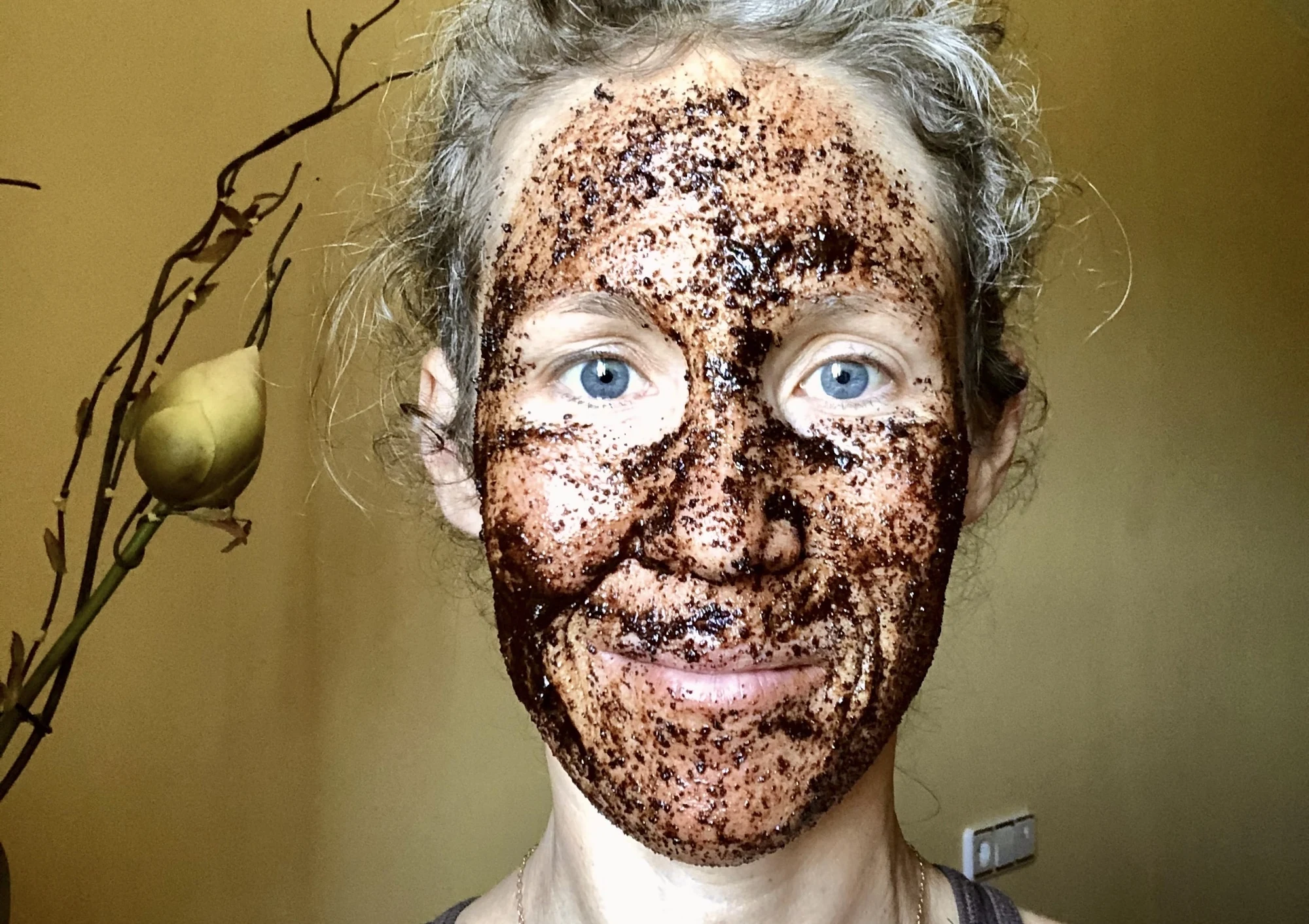
The breakout will not settle. The eczema flares with no clear trigger. The redness on your cheeks lights up after dinner. You have tried the topical creams, the new cleanser, the dermatologist-recommended routine, and the skin keeps showing you the same thing on a different week. The gut-skin connection is the explanation most skincare aisles do not name. Your skin is not a separate organ acting up on its own. It is a window into what is happening inside the body, especially in the gut, and a great deal of skin issues are gut issues telling you a story on the surface.
I had eczema head-to-toe at age two. The medical path I went down then included specialists, biofeedback, meditation, and a celiac diagnosis that became a major thread in my health story (I write more on the celiac arc in silent inflammation). It also included a lot of prescriptions: inhalers, Slo-Bid for asthma, cortisol shots to calm down the inflammatory response and what I now understand was a stress response running my body. As I grew up, I started realizing I did not want to keep using those suppressants. I started looking for the root causes (diet, lifestyle, and stress), and over the years, my eczema cleared.
I do not have any active eczema now. My hands and my skin are still sensitive. I am careful about detergents, soaps, and the products that touch my skin, because the skin is our largest organ and absorbs what we put on it just as the gut absorbs what we eat. The low-tox home and kitchen swaps I have settled on — the cleaners and everyday products I actually use to keep that chemical load down — live on my recommended products page. At this point in my life I treat that sensitivity as a gift; it is one of the most vocal places in my body. When my hands are speaking up, I read the signal: slow down, wash fewer dishes, change the soap, eat differently this week. My skin is still my body’s loudest channel, and I take it as a cue to listen.
What your skin is saying when nothing topical settles it is not you should have known better about skincare. It is the conditions inside me have been asking for a different conversation, and the only place I have left to show it is on the outside. The gut-skin connection is information. The work is to read what is happening on the inside, then respond from the body, and to bring a dermatologist or other clinician onto the team when the skin condition warrants it.
“The first big step is awareness.” — Zen Odyssey: The Adventure of Awareness
This post will walk through what the gut-skin axis actually is, the most common gut-driven skin patterns, when this needs a healthcare provider, and the body-first response that supports the immune system, the gut microbiome, and the skin microbiome together.
What the Gut-Skin Axis Actually Is
The gut-skin axis is the bidirectional communication system between your gut microbiome and your skin microbiome, mediated by the immune system, inflammatory signaling, hormones, and the nervous system. Both your gut and your skin are barrier organs. The gut acts as a physical barrier between what stays inside the digestive tract and what enters circulation. The skin acts as a physical barrier between you and the external environment. Both house diverse microbial communities (the gut microbiota and the skin microbiome) that regulate immune function. The skin barrier itself, the outer layers of skin cells, is the front line of that conversation. Both organs are home to a meaningful share of your body’s immune cells. They are in continuous conversation.
This is not a new idea. In 1930, dermatologists John H. Stokes and Donald M. Pillsbury published a paper in Archives of Dermatology and Syphilology proposing that emotional and nervous states could alter the intestinal microbiome, increase intestinal permeability, and contribute to systemic inflammation that shows up on the skin. They even recommended Lactobacillus cultures as part of the treatment for acne. Their hypothesis sat outside mainstream dermatology for decades. The scientific literature on the gut-brain-skin axis has caught up with them, and the modern microbiome research has built the mechanism back out from the foundation Pillsbury and Stokes proposed.
When the gut microbiome is in balance, the gut lining is intact, immune responses are calibrated, and microbial diversity is high, the skin tends to behave. Healthy skin is regularly downstream of a healthy gut microbiome, and clearer, calmer skin tends to follow when the gut conditions support it. When gut microbes shift toward dysbiosis, the gut lining becomes compromised (sometimes called leaky gut, more formally increased intestinal permeability), and pro-inflammatory cytokines start crossing into circulation, the skin reads those signals and responds. The result is the chronic skin issues that do not match what you are putting on your face.
The mechanism plays a pivotal role in atopic dermatitis (eczema), acne vulgaris, rosacea, psoriasis, and other inflammatory skin conditions. The research linking gut health and skin health has grown substantially in the last decade, with growing scientific literature, animal studies, and a notable wave of work from Korean studies that has centered probiotics in dermatology. The gut-skin axis is no longer fringe; it is a mainstream area of dermatology research, even if the dermatology aisle has not caught up yet.
The gut and the skin are working as designed; what has not let up are the conditions wrapped around them. The move is to soften those conditions where you can, and let the two barrier organs come back into conversation with the rest of the body.
The Most Common Gut-Driven Skin Patterns
These are the patterns I see most often in the people I work with. Each one is a doorway, not a diagnosis.
Eczema and Atopic Dermatitis
Eczema, also called atopic dermatitis, is one of the most well-studied gut-skin connections. Children with eczema regularly have altered gut microbiota compared to children without; adults with persistent eczema often have a history of food intolerances, gut dysbiosis, or gut inflammation that did not resolve. Topical management treats the surface; gut-supportive work treats the upstream conditions that keep producing the surface signal.
I know this one personally. I had eczema head-to-toe by age two, and what eventually moved the picture was the food layer — the intolerances I was eating around, the gut underneath them, and the stress signal sitting on top of both.
Acne, Including Acne Vulgaris
Adult acne, especially the kind that does not respond to topical treatments or that flares with food, stress, or hormones, regularly has a gut component. Acne vulgaris develops at the hair follicle, where excess sebum, blocked pores, and the skin bacterium P. acnes interact with the immune system to produce skin inflammation visible on the skin surface. Insulin resistance, blood sugar swings, hormonal imbalances, ultra-processed foods, dairy in some people, and gut dysbiosis are all named drivers underneath. The skin microbiome on the face is in conversation with the gut microbiome through inflammatory signaling and pro-inflammatory cytokines; treating only the face skips the upstream root cause.
Rosacea
Rosacea (the redness, flushing, and visible blood vessels on the central face) is associated with gut dysbiosis at meaningfully higher rates than the general population. Small intestinal bacterial overgrowth (SIBO) shows up in a notable subset of rosacea patients in the research. The gut work is part of the picture, alongside dermatology care.
Psoriasis
Psoriasis is an autoimmune skin condition involving immune-system overactivation. The gut-skin axis is part of the picture, alongside genetics and inflammatory drivers. Anti-inflammatory diet protocols and gut-microbiome support are part of the integrative approach to psoriasis, alongside the clinical management your dermatologist provides.
Persistent Skin Irritation Without a Clear Cause
Sometimes the skin issue does not fit a clean diagnosis. Generalized irritation, flushing, hives that come and go, skin that is more reactive than it used to be. This is often the immune system reading inflammatory signals from the gut and expressing them on the surface. It still deserves a clinician’s eyes, and the gut-supportive work is regularly part of what helps.
What Drives the Gut-Skin Loop
The conditions that keep the gut-skin axis dysregulated come from several layers:
Gut Microbiome Imbalance
The gut microbiome contains thousands of different species of gut microbes (sometimes called gut flora) that produce metabolic byproducts which regulate immune function. An imbalanced gut microbiome (also called gut dysbiosis) shifts microbial balance away from the beneficial gut bacteria that keep inflammation low and toward strains that drive it higher. When microbial diversity drops, from antibiotics, ultra-processed foods, artificial sweeteners, chronic stress, or low fiber intake, the immune system loses calibration, gut function shifts, and inflammatory signals rise. The skin gets the message.
Compromised Gut Lining (Leaky Gut)
Increased intestinal permeability, sometimes called leaky gut, allows undigested food particles, bacterial fragments, and toxins to cross from the gut into circulation. The immune system reads these as foreign and mounts inflammatory responses. Chronic inflammation in the bloodstream regularly shows up on the skin.
Food Intolerances
Foods you used to digest fine that now cause symptoms (bloating, brain fog, skin flares within hours) are food intolerances. Common offenders include gluten (especially in undiagnosed celiac disease), dairy, eggs, nightshades in some people, and the additives in ultra-processed foods. Identifying and removing the inflammatory food, in collaboration with a registered dietitian if needed, often produces visible skin shifts within weeks.
Chronic Stress and Inflammation
Chronic stress drives gut inflammation, alters gut motility, suppresses immune calibration, and raises systemic inflammation. Skin issues that flare during high-stress periods are not coincidence; they are the gut-skin loop running on the stress signal. The fuller picture lives in silent inflammation, which goes further on the chronic-inflammation layer, and in stress and IBS, which covers the gut side.
Dietary Fiber, Whole Foods, and What Feeds Healthy Gut Bacteria
Dietary fiber is what feeds the beneficial gut bacteria that produce anti-inflammatory metabolites. The modern diet, low in fiber and high in ultra-processed foods, starves the microbes that keep the gut-skin loop calm. Real-food eating, with adequate fiber and fermented foods over time, is one of the most direct interventions for healthier skin.
Sleep, Movement, and the Lifestyle Layer
Sleep is when the body does its repair work. Movement supports gut motility, lymphatic drainage, and stress regulation. Both contribute to skin health, and both are regularly underestimated.
Unprocessed Emotional Load
Skin is one of the body’s most expressive organs. Held emotions, especially over years, regularly show up on the surface. The link between mental health and skin diseases is one of the more established findings in the gut-skin literature: chronic anxiety, depression, and unresolved emotional states correlate with skin flares, slower healing, and longer-term skin concerns in research and in the people I work with. One of my clients, Nikol — a physician — had been working with a dermatologist for two years on perioral dermatitis with no real relief. Her dermatitis cleared completely after the emotional work we did together, and it has not come back. The skin was reading the inner picture the whole time. Learning to read an emotion as a body sensation rather than carry it as a chronic flare is its own piece of work; the deeper layer of that practice lives in emotional awareness.
When the Gut-Skin Connection Needs a Healthcare Provider
What this page offers is body-first teaching and the gut-skin lens, not a clinical workup. Skin conditions deserve a dermatologist’s eyes, and gut conditions deserve a gastroenterologist’s; together is regularly where the picture comes into focus. Any of the red flags listed below are reason enough to schedule the visit and pair the body-first work with clinical care.
Talk to a healthcare provider when:
- You have a skin condition that has not been formally diagnosed
- Your skin is showing signs of infection (warmth, spreading redness, pus, fever)
- You have severe psoriasis, severe eczema, or any skin disease that is significantly affecting daily life
- You have signs of an autoimmune disease alongside the skin issue (joint pain, fatigue, gut symptoms, hair changes)
- Your symptoms include unintentional weight loss, fevers, or persistent gut symptoms with the skin issue
- You suspect food intolerances or celiac disease (testing requires a clinician)
Conditions a clinician will rule out or diagnose:
- Atopic dermatitis (eczema), psoriasis, rosacea, severe acne (dermatologist)
- Celiac disease (skin signs include dermatitis herpetiformis)
- Inflammatory bowel disease (Crohn’s, ulcerative colitis), which sometimes presents with skin symptoms
- Small intestinal bacterial overgrowth (SIBO), relevant to rosacea
- Autoimmune skin conditions
- Food intolerances confirmed by testing
The clinical referral list: dermatologist, primary care provider, gastroenterologist, allergist or immunologist if needed, registered dietitian for elimination protocols, somatic therapist, psychedelic-assisted therapy with a guide who knows how to hold integration (when the skin pattern is riding alongside trauma or persistent mental-health patterns), or another modality your provider trusts.
The Body-First Response: Heal the Inside, Watch the Outside
With red flags ruled out and any dermatology or gut workup already in motion, the body-first response to the gut-skin connection moves through three layers. The deeper ground is a healthy relationship with food — the gut-skin loop is downstream of what you eat, how you eat, the state you eat in, and the emotional load your body has been quietly carrying through it all.
Mood Before Food: Why State Comes Before Plate (and Skin)
Mood Before Food is the methodology underneath my coaching, and the place this work starts when the skin is the loud signal. Chronic stress is a nervous-system pattern, and a nervous system locked in chronic flight shifts the gut microbiome, scrambles immune calibration, and lets the skin take the hit. Regulation comes first; food strategy follows; the gut-skin loop quiets in that order. The broader food psychology field goes further on the layer Mood Before Food sits inside.
A Body Check Before You Eat (and Before You Reach for the Mirror)
Try this. It takes thirty seconds.
Hand on your heart. Other hand on your belly. Three breaths, exhale longer than the inhale, real attention on each one. The longer-exhale pattern shifts the nervous system toward rest-and-digest, which is the state the gut-skin axis can actually heal in. Then ask:
What is happening in my body right now? What is the skin telling me about what is happening inside?
Then: What does my body actually need right now: real food, water, rest, less stimulation, more time outside?
Then, before food: Will this support the gut microbes that keep my skin calm, or feed the ones that drive the flare?
The skin does not need a perfect day. It needs the body’s signals read regularly enough that the gut conditions improve over weeks and months. The skin is on a slower timeline than mood; consistency matters more than intensity.
Real-Food Foundations and Gut-Supportive Eating
Food is one of the most direct interventions for gut-skin health. The food work in coaching comes after the regulation work has settled. The first two months are mood and nervous-system regulation, and we do not focus on food changes until the food reset starts around month three. That is when clients regularly notice skin shifts alongside the gut shifts: clear skin, gut function that has steadied, less reactive flares, and the kind of glow that does not come from a serum.
The lifestyle layers that consistently support the gut-skin loop:
- A whole-food, plant-forward eating pattern. The Mediterranean diet and other plant-based diet patterns rich in vegetables, legumes, quality proteins, olive oil, and fatty fish are studied repeatedly as anti-inflammatory frameworks for long-term skin health. Real, single-ingredient foods are what consistently feed healthier skin from the inside.
- Dietary fiber and steady fiber intake. Fiber feeds the beneficial gut bacteria that produce anti-inflammatory metabolic byproducts. Fiber intake is one of the most underestimated levers for overall skin health.
- Probiotic-rich foods. Yogurt, kefir, sauerkraut, kimchi, miso, and other naturally fermented foods feed gut flora that keeps the gut-skin loop calm. Oral probiotics in supplement form are part of the picture for many people; ask your provider whether a probiotic-rich-foods-first approach or a targeted probiotic strain is the right starting place. Topical probiotics are an emerging area of skincare research.
- Essential fatty acids. Omega-3 fatty acids from fatty fish, walnuts, flax, and chia support immune function, lower systemic inflammation, and feed the lipid layer of healthy skin. Inflammatory foods (industrial seed oils, refined sugar, ultra-processed snacks) push the loop in the other direction.
- What to reduce. Ultra-processed foods, industrial seed oils, refined sugar, artificial sweeteners, and any foods you have known intolerances to. For adult acne especially, dairy and high-glycemic foods are worth tracking.
- Sleep. Seven to nine hours, consistent rhythm. Skin does its repair work overnight.
- Movement. Daily walks, strength training calibrated to your nervous system, time outside.
- Sunlight, in moderation. Vitamin D matters for both gut and skin immune function.
- Topical treatments that do not disrupt the skin microbiome. Less is regularly more. Harsh cleansers and over-stripping the skin barrier disrupt the skin microbiome and can worsen the loop. The skin surface is alive; treat it that way. The products I personally keep around: grass-fed tallow (its lipid profile is the closest to human skin of anything I have tried), Dr. Bronner’s baby line (the Magic Balm and the soap are both staples in my house), and other genuinely natural soaps. I keep a running [list of the gut-friendly and skin-friendly products I trust](INTERNAL LINK PENDING: Amazon gut-friendly products list) so the working set is in one place.
- Environmental factors. Cleaner indoor air, fewer harsh chemicals on the skin, less plastic exposure. The external environment matters for both barrier organs.
- Stress regulation. Daily nervous-system practice. Real connection. Time in rest-and-digest.
- The emotional layer. Skin holds what the body has not been able to process. Working with a somatic practitioner, parts-work, or another modality that integrates body and emotion is part of the picture for many people.
Skin as Detox Organ
Skin is one of the body’s largest detox organs, alongside the liver, kidneys, and lungs. What the inside cannot process out through those channels regularly comes out through the skin: flares, rashes, eczema patches, breakouts, and irritation that does not respond to anything topical. Supporting the body’s elimination pathways supports the skin from the inside, often more than any product on the surface ever will.
In Israel, people with chronic skin conditions are regularly prescribed five days a year at the Dead Sea, especially for eczema. The combination of mineral-rich water (magnesium, potassium, calcium, bromide), strong sun, and direct skin exposure is one of the most studied non-pharmaceutical therapies for atopic dermatitis, and the response is regularly described as unlike anything topical can deliver. It is extraordinarily detoxing and mineralizing at the same time. If you have eczema or psoriasis and the chance arises, it is worth the trip.
The other side of the detox layer lives in the liver. The fuller picture of liver-supportive detox lives in coffee enemas and liver support, which goes further on what the liver needs when the skin is signaling that the inside has more to process than its usual channels can carry.
For the Kids — What Your Skin Models for Them
The way you respond to your own skin in front of your kids is the way they will respond to theirs. Children watch parents at the mirror, in the bathroom, and in moments of breakouts and flares. What they pick up is whether the skin is something to put a Band-Aid on or something whose deeper root cause is worth looking at — whether the answer lives in a tube or in a conversation with the body.
This is why I do this work. Yes, partly so you can live in skin that is not fighting you — because the body you live inside is the one you wear in the mirror every day. And more importantly, so that the cover-it-up-and-keep-going pattern is interrupted in you, and your kids grow up watching what it looks like to ask the body what the skin is trying to say. Live the listening-to-the-body you want them to inherit.
Frequently Asked Questions
What is the gut-skin connection?
The gut-skin connection is the bidirectional communication system between your gut microbiome and your skin microbiome, mediated by the immune system and inflammatory signaling. When the gut is inflamed, dysbiotic, or dealing with food intolerances, the skin regularly reads those signals and shows them on the surface as eczema, acne, rosacea, psoriasis, or persistent skin irritation.
Can gut health really cause acne?
Yes. Gut microbiome imbalances, blood sugar swings, food intolerances, and inflammatory diets are all named drivers of adult acne. The gut-skin axis is a real, increasingly well-studied mechanism. Gut-supportive work alongside dermatology care is regularly more effective than either alone.
What foods are best for the gut-skin connection?
Real, single-ingredient foods: vegetables, quality proteins, healthy fats with omega-3 fatty acids, fiber-rich foods where tolerated, fermented foods, plenty of water. Reduce ultra-processed foods, refined sugar, industrial seed oils, artificial sweeteners, and any foods you have known intolerances to. For adult acne specifically, watch dairy and high-glycemic foods.
How long does it take for skin to clear when you heal your gut?
Skin runs on a slower timeline than gut symptoms. Many clients notice gut shifts within weeks of the food reset; skin tends to follow over weeks to months as the inflammatory load lowers and gut microbes rebalance. Long-standing skin conditions can take months to fully settle. Diagnosed skin diseases have their own clinical timelines and benefit from staying connected to a dermatologist.
Is leaky gut real?
Increased intestinal permeability, the formal name for what is sometimes called leaky gut, is a real and measurable phenomenon. It is part of the picture in inflammatory bowel disease, celiac disease, and other gut conditions. Whether it functions as a stand-alone diagnosis in functional medicine practice is more debated; the underlying biology is not.
Do probiotics help skin conditions?
Probiotic-rich foods (yogurt, kefir, kimchi, sauerkraut, miso) are part of the picture for most people working on the gut-skin connection. Oral probiotics in supplement form have a growing research base, especially for acne, eczema, and rosacea, and the right strain often matters more than the highest CFU count, which is a conversation for your healthcare provider or a registered dietitian. Topical probiotics are an emerging area in skincare research and not yet a standard recommendation.
When should I see a healthcare provider?
See a dermatologist for any skin condition that has not been formally diagnosed, severe eczema, severe acne, psoriasis, suspected skin infection, or signs of skin disease alongside other symptoms. See a gastroenterologist or primary care provider when gut symptoms are persistent, severe, or paired with skin issues, since celiac disease, IBD, and SIBO are worth ruling out.
How long does it take to heal the gut-skin connection with body-first work?
The gut-skin loop runs on a slower timeline than mood or digestion. My Food and Mood program is a four-month container; the first two months are mood and nervous-system regulation, and the food reset opens around month three. Gut shifts often arrive first, in the first few weeks of regulation work and the early weeks of the reset. Skin shifts tend to follow over the second half of the program and continue afterward as the inflammatory load lowers and the microbiome rebalances. Long-standing skin conditions can take longer to fully settle, and diagnosed skin diseases run on their own clinical timelines on top of the body-first arc.
Where should I start?
Start with the body check practice above before any new product or protocol — the body’s read on what is driving the flare is the data the surface work cannot give you. Then read the Mood Before Food methodology for the foundation, and the healthy relationship with food pillar for the broader food-and-body picture this gut-skin loop sits inside. My chapter Come Home to Your Body Wisdom lives in Chapter 0 of the Handbook for Human Potential.